01
◌
Emotional
psychology
Understand development, triggers and the need under a reaction. Useful for families, classrooms and student groups.
UNDERSTAND THE NEED ↗
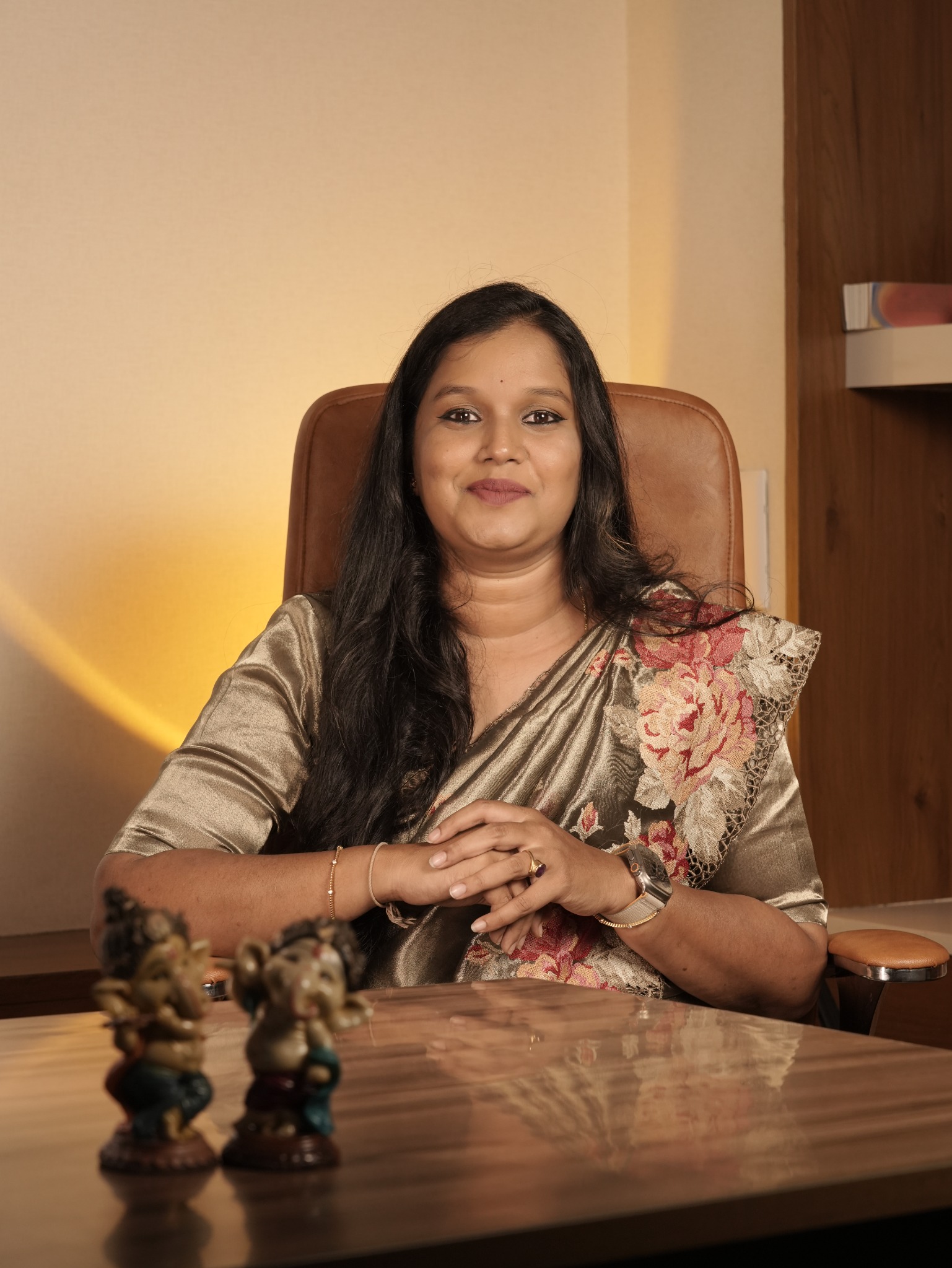
Chandana Srinivas
Educator | Founder | Parenting Coach | Speaker
Empowering parents, inspiring educators, and nurturing emotionally resilient children.
Bringing together psychology, educational experience, spiritual and practical wisdom to transform how we understand and guide the next generation.
Children do not need perfect adults.
They need grounded, emotionally safe ones.
A kaleidoscope takes scattered fragments of light and colour and, with a gentle shift in perspective, arranges them into harmony.
This work is not about fixing a “difficult” child or following rigid scripts. It is about changing the lens through which we understand behaviour, emotion and our own inner world.
The same lens helps parents at home, teachers in the classroom and students who are learning how to name what they feel.
Explore the three foundations ↘Support that honours the child's emotional world, the adult's inner world and the realities of home and school.
Understand development, triggers and the need under a reaction. Useful for families, classrooms and student groups.
UNDERSTAND THE NEED ↗Build inner stillness through breath, mindful pauses and self-regulation, so an adult can be a calm anchor.
RETURN TO YOURSELF ↗Practical tools shaped around Indian families, school life, daily routines and the pressure of modern learning.
MAKE IT PRACTICAL ↗
For over eight years, my work has returned to one question: what do children truly need in order to thrive — not only in marks, but as whole people?
As Founder and Secretary of Dharsh School of Excellence in Hanur, Karnataka, I have worked with children, teachers and families. Those everyday moments shaped a simple conviction: a child's emotional world influences everything.
Kaleidoscope by Chandana is the home for that work. Parents, educators and students can pause, learn and practise a kinder way to respond.
“You do not have to carry the weight of being a perfect parent, teacher or student. When you meet a hard moment with honesty and care, you make it safer for a child to be who they are.”

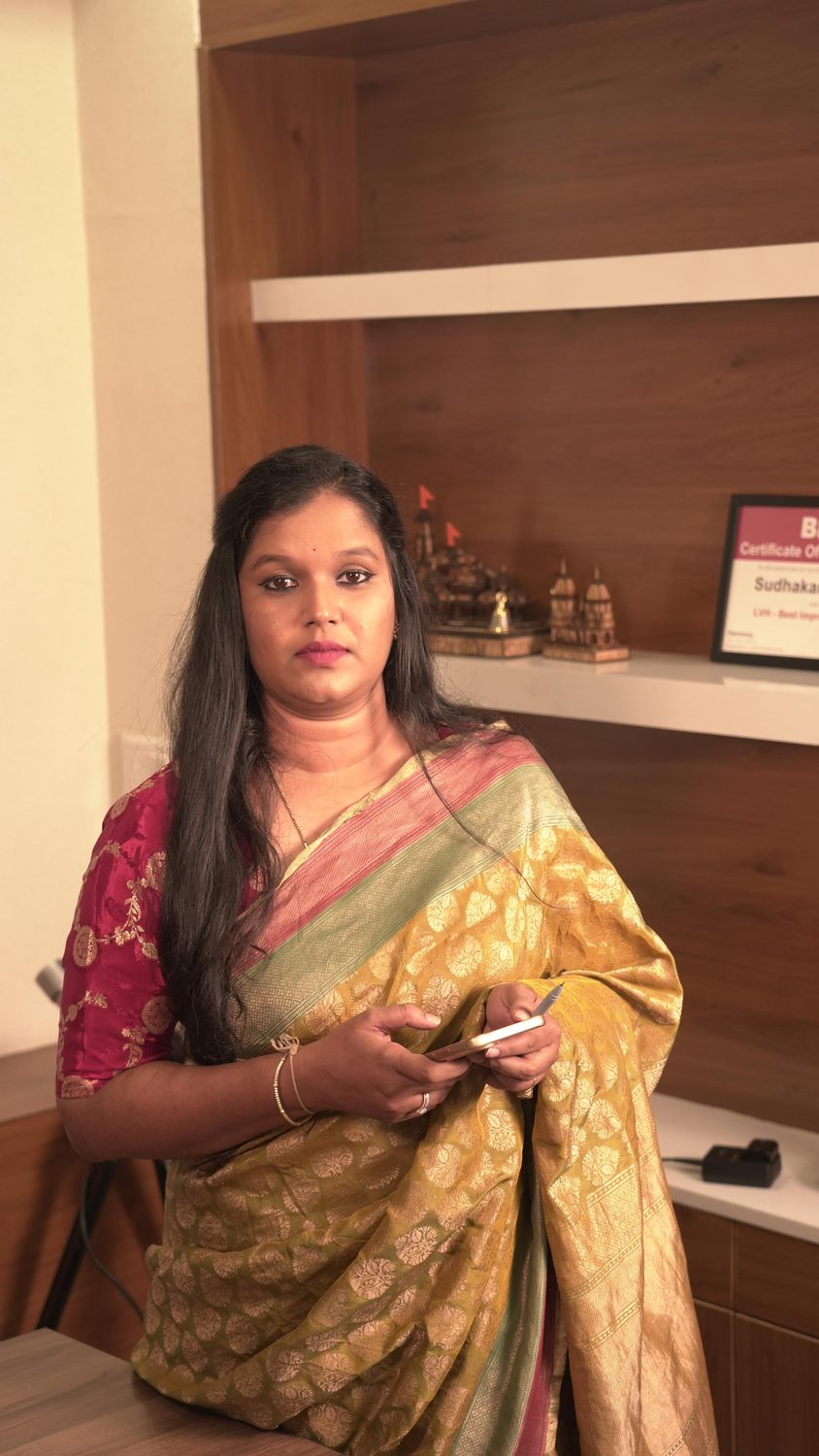
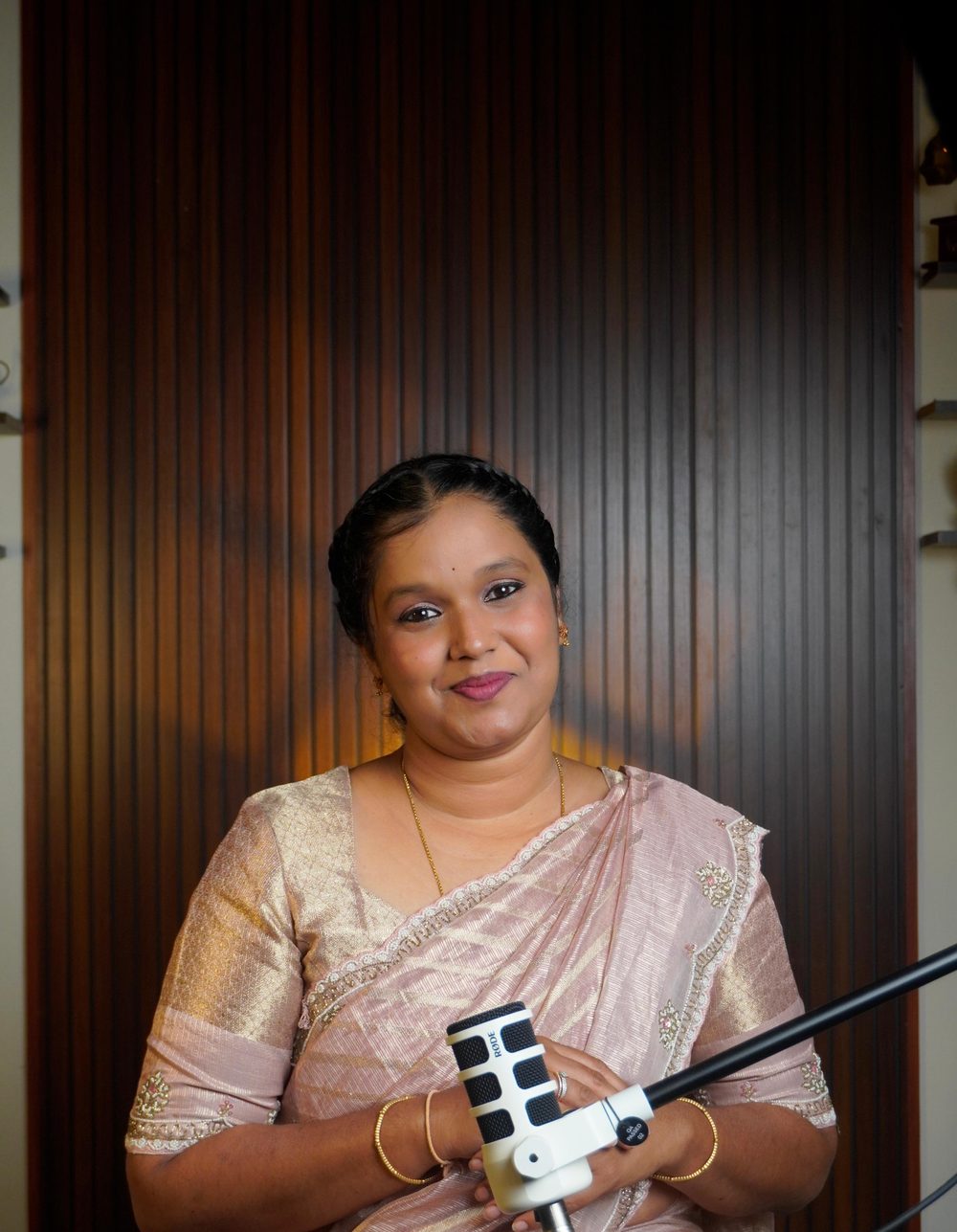
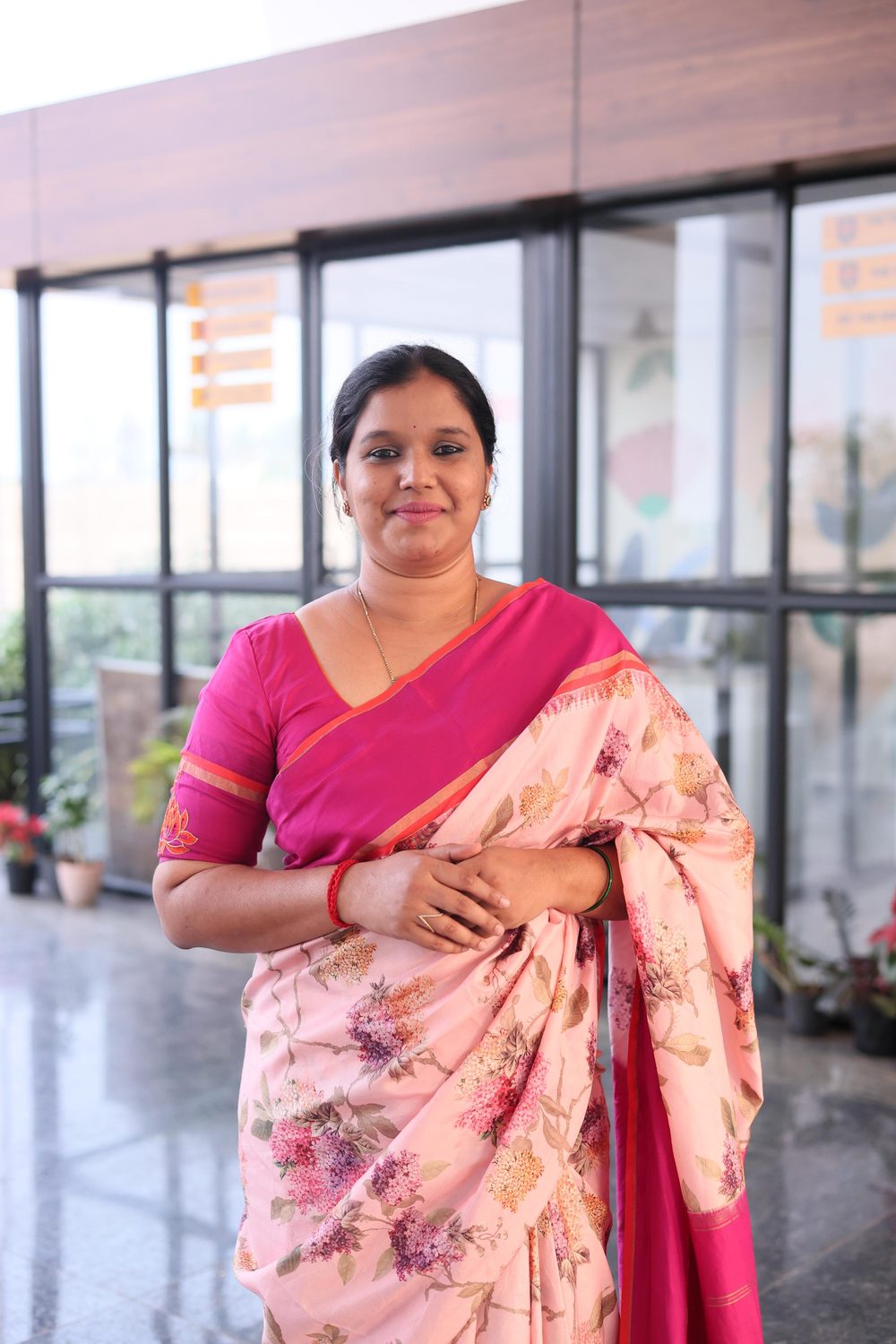
A glimpse of Chandana Srinivas with children, on campus and in conversation.
From conversations and workshops to quiet moments of reflection.
Parent workshops, teacher training, student programmes and keynotes. None of these is an extra. Each one is a full path.
Teacher training and student workshops sit beside parenting and family guidance. Schools and families can start with one path, or bring two groups together.
Personal and group support for life at home.
Practical sessions for teachers and school teams.
Group learning for students, in simple words.
Talks for schools, parent meetings and staff days.
Simple activities for parents, teachers and students. Emotion Detective and Pause or React? are still here, beside a five-level feelings puzzle. These are for learning, not for testing a child.
Match feelings, kind words and calm steps. Made so a basic reader and a confident reader can both play.
Can you spot the feeling hiding behind a moment?
Explore possible responses to everyday parenting moments.
Short school scenes. Pick a step that is kind and clear.
Take a gentle breathing pause and return to the present.
Gentle reminders for the moments when home or school feels loud, fast or heavy.
Explore on Instagram ↗Behaviour is communication. Before asking “How do I stop this?”, pause and wonder, “What might this child be telling me?”
✳A pause is not permission. It is a moment to choose a response that matches the adult you want to be.
◌Connection is built in small moments — listening, repairing, noticing and beginning again.
✧Every family and every school is different. Here are a few starting points.
There are four equal paths: parents and families, teachers and classroom teams, student groups, and keynotes for schools or institutions. You can book one, or plan a series.
Parents of toddlers, primary schoolers and teens are welcome. Teacher sessions fit primary and middle school teams. Student programmes use simple language that groups can follow.
Not always. Change can begin when one adult shifts a response. Both parents, and grandparents, are welcome.
No. Emotion Detective, Pause or React?, Kind Class, the Feelings Puzzle and the Calm Corner are learning activities. They are not a diagnosis and they do not score a child’s mental health.
Only if you choose to send them. The notes go to hello@chandana.info and include the name, email and answers you submit. The site does not send a report in the background.
Book a workshop, or start with a short conversation. Share what your family, class or school is navigating.